









In the high-stakes commercial environment of Las Vegas, the physical foundation of your business bears the brunt of extreme desert conditions and relentless operational demands. Standard concrete floors often struggle to keep up with the unique combination of triple-digit heat and high-volume foot or vehicle traffic characteristic of the region.
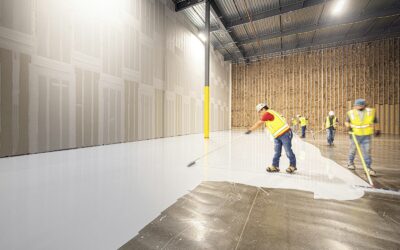
Upgrading to an industrial-grade floor coating is a strategic move that moves beyond mere aesthetics to address structural integrity and workplace safety. Recognizing the right moment to make this transition can prevent operational downtime and save your company significant capital in long-term maintenance costs.
Combatting Thermal Stress and UV Degradation
The intense Nevada sun and rapid temperature swings between desert days and nights can cause untreated concrete to expand and contract at a destructive rate. Industrial coatings are engineered with thermal stability in mind, providing a flexible yet tough barrier that resists the cracking and “spalling” caused by extreme heat cycles.
- Monitor exterior-facing bays and loading docks for signs of fading or chalking, which indicate the sun is breaking down the concrete’s surface.
- Check for hairline fractures that appear after a significant heatwave, as these are the first signs of thermal fatigue in the slab.
- Use UV-resistant polyaspartic topcoats in areas with high sun exposure to maintain color clarity and prevent the yellowing associated with lower-grade materials.
A specialized coating acts as a thermal shield, ensuring that your floor remains stable and visually professional despite the harsh local climate.
Managing High-Volume Traffic and Impact
Las Vegas warehouses, showrooms, and kitchens deal with a level of activity that can quickly grind down standard finishes into fine, hazardous dust. If your facility utilizes forklifts, heavy pallet jacks, or constant foot traffic, an industrial upgrade provides the impact resistance necessary to prevent deep gouges and surface erosion.
- Look for “traffic patterns” or worn paths where the concrete appears smoother or lighter than the surrounding areas.
- Inspect the floor for impact craters or “pop-outs” caused by dropped tools or heavy equipment.
- Address persistent concrete dusting that settles on your products and machinery, as this is a sign the surface is literally disintegrating.
Upgrading to high-build epoxy or urethane systems creates a hardened surface capable of supporting massive dynamic loads without compromising the floor’s finish.
Mitigating Slip Hazards and Improving Safety
Safety is a primary concern for any business, especially in fast-paced environments where spills are common or floors are frequently cleaned. Standard concrete becomes incredibly slick when wet or oily, but industrial-grade coatings can be customized with various textures to meet strict OSHA safety standards.
- Incorporate slip-resistant additives like quartz or aluminum oxide to provide traction in areas prone to liquid spills.
- Use color-coded safety zones and integrated line striping to clearly mark pedestrian walkways and hazardous machinery areas.
- Benefit from the high light-reflectivity of gloss coatings, which improves visibility in large, windowless facilities and reduces energy costs.
A proactive safety upgrade protects your employees from injury and shields your business from the liability of slip-and-fall accidents.
Resisting Chemical Seepage and Corrosion
In industries such as auto repair, manufacturing, or food processing, the floor is constantly exposed to corrosive substances like oils, acids, and strong detergents. Porous concrete absorbs these chemicals, leading to deep-seated odors, permanent staining, and the eventual chemical breakdown of the slab itself.
- Identify areas where spilled fluids have left “etched” marks or dark shadows that cannot be removed with standard scrubbing.
- Watch for “sweating” or bubbling in your current coating, which suggests that moisture or chemicals are trapped beneath the surface.
- Implement a seamless, non-porous barrier that prevents liquids from reaching the subfloor and contaminating the ground underneath.
Chemical-resistant industrial coatings ensure that your facility remains sanitary and that spills stay on the surface for quick, efficient cleanup.
Streamlining Maintenance for Cost Efficiency
If your cleaning crew is spending an increasing amount of time trying to maintain the appearance of a worn-out floor, the labor costs may already exceed the price of an upgrade. Industrial coatings create a perfectly smooth, joint-free surface that eliminates the hiding places for dirt, sand, and bacteria.
- Reduce the need for expensive specialized cleaning chemicals, as a non-porous floor typically only requires mild detergents and water.
- Shorten your daily maintenance routine by eliminating the need for constant sweeping of concrete grit and dust.
- Avoid the frequent “patch-and-repair” cycles that disrupt your business operations and lead to inconsistent floor aesthetics.
A one-time investment in a high-performance coating pays for itself through reduced labor hours and the elimination of recurring repair bills.
Securing the Future of Your Commercial Space
Upgrading to an industrial-grade floor coating is the most effective way to ensure your Las Vegas facility can handle the challenges of tomorrow. By addressing the physical needs of your business today, you create a durable environment that supports growth and operational excellence.
This transition provides the ultimate balance of professional appearance, structural protection, and long-term financial wisdom. Choosing a high-performance flooring solution ensures that your business remains a benchmark of quality and safety in the competitive Nevada market.