









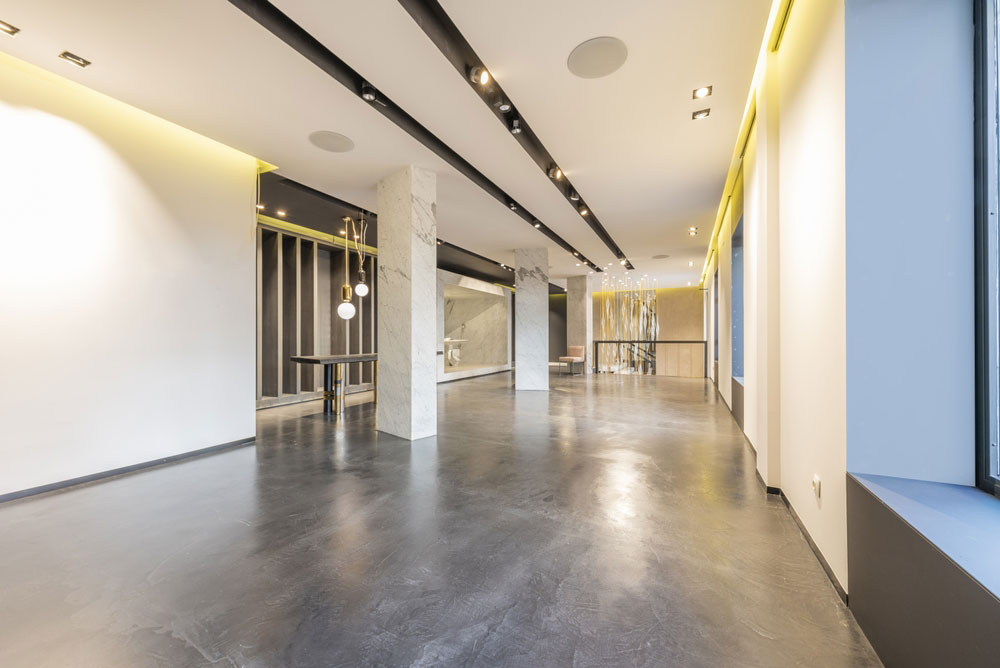
Homeowners and facility managers often search for flooring solutions that can withstand heavy traffic while maintaining a pristine, showroom appearance. Understanding the expected lifespan of a polyaspartic coating is crucial for making an informed investment in your property’s infrastructure.
While standard garage paints might flake within a year, a professional polyaspartic system is engineered to last for several decades under the right conditions. This durability stems from a unique chemical bond that integrates the coating directly into the concrete substrate rather than just sitting on top of it.
The Science of Superior Adhesion
The primary reason a polyaspartic floor lasts so long is its ability to penetrate deep into the pores of the concrete. Unlike thicker epoxies that can be brittle, polyaspartic resins remain slightly flexible, allowing them to expand and contract with the concrete during temperature shifts.
- Deep Penetration: The low viscosity of the resin allows it to “wet out” the concrete, creating a root-like mechanical bond.
- Flexibility: It withstands the “thermal shock” of hot tires or cold winters without cracking or delaminating.
- Rapid Cure: The fast chemical reaction ensures a consistent bond that isn’t compromised by fluctuating humidity during installation.
This advanced adhesion is the foundation of the floor’s longevity. When the coating becomes a physical part of the slab, the chances of peeling—often called “hot tire pickup”—are virtually eliminated.
Resistance to UV Degradation and Yellowing
One of the most common points of failure for outdoor or window-facing floors is sun damage. Polyaspartic coatings are inherently UV-stable, meaning they will not turn yellow, become brittle, or chalk when exposed to direct sunlight over many years.
- Aliphatic Chemistry: The molecular structure is specifically designed to resist breaking down under ultraviolet light.
- Color Retention: Vibrant flakes and pigments remain bright and true for the duration of the floor’s life.
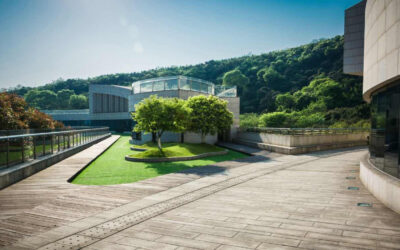
- Outdoor Versatility: This stability makes it an ideal choice for patios, driveways, and pool decks in high-sun environments.
Because the material does not degrade from sun exposure, the aesthetic life of the floor matches its structural life. You won’t have to worry about unsightly “tan lines” where a garage door stays closed or where a rug once sat.
Industrial-Grade Wear and Tear Protection
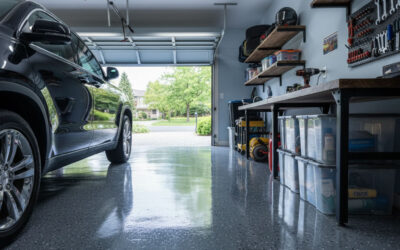
In a typical residential garage, a polyaspartic floor can easily last 20 to 30 years, while in high-traffic commercial settings, 15 years is the standard expectation. The material’s resistance to abrasion is significantly higher than that of traditional urethanes or epoxies.
- Scratch Resistance: High-build topcoats protect against the dragging of heavy toolboxes or equipment.
- Impact Strength: The coating absorbs the energy of dropped tools, preventing the underlying concrete from chipping.
- Chemical Immunity: It stands up to oil, gasoline, road salt, and harsh cleaning agents that would eat through lesser finishes.
This extreme ruggedness ensures that the floor doesn’t just “stay on,” but continues to look new despite daily abuse. It provides a permanent shield that keeps the concrete underneath in a “time capsule” state.
The Role of Professional Substrate Preparation
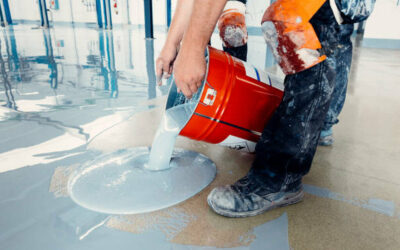
The lifespan of any high-performance coating is dictated largely by what happens before the first drop of resin is poured. Professionals use industrial diamond grinders to “profile” the concrete, ensuring it has the texture of medium-grit sandpaper for maximum grip.
- Diamond Grinding: Removes “laitance” (the weak top layer of concrete) and opens up the pores for the coating.
- Moisture Testing: Professionals check for high vapor emission rates that could cause a coating to fail prematurely.
- Crack and Divot Repair: Filling structural imperfections ensures a smooth, continuous surface that won’t snag or peel at the edges.
Without this mechanical preparation, even the best polyaspartic material will fail within a few years. Professional installation ensures that the 20-year potential of the material is actually realized.
Maintenance Habits That Extend Floor Life
While polyaspartic floors are incredibly low-maintenance, a small amount of care can push their lifespan toward the 30-year mark. Keeping the surface free of abrasive grit and sand prevents the glossy topcoat from becoming dull over time.
- Routine Sweeping: Removing sand and dirt prevents small scratches that can cloud the finish.
- Gentle Cleaning: Using pH-neutral cleaners maintains the chemical integrity of the topcoat.
- Periodic Inspections: Catching building-wide structural shifts early allows for minor touch-ups before they become major issues.
A well-maintained floor requires no waxing or buffing to keep its shine. Simple hygiene is all that is needed to keep the barrier intact and the visual appeal at its peak.
Maximizing Your Long-Term Property Investment
Choosing a polyaspartic floor is a decision to move away from temporary fixes and toward a permanent flooring solution. When you factor in the decades of service, the elimination of repair costs, and the added value to your property, the “cost per year” of this system is significantly lower than any DIY alternative.
You aren’t just buying a floor; you are buying the peace of mind that comes with a surface designed to outlast the vehicles parked upon it. This transformation provides a durable, beautiful foundation that will serve your home or business for a generation.