









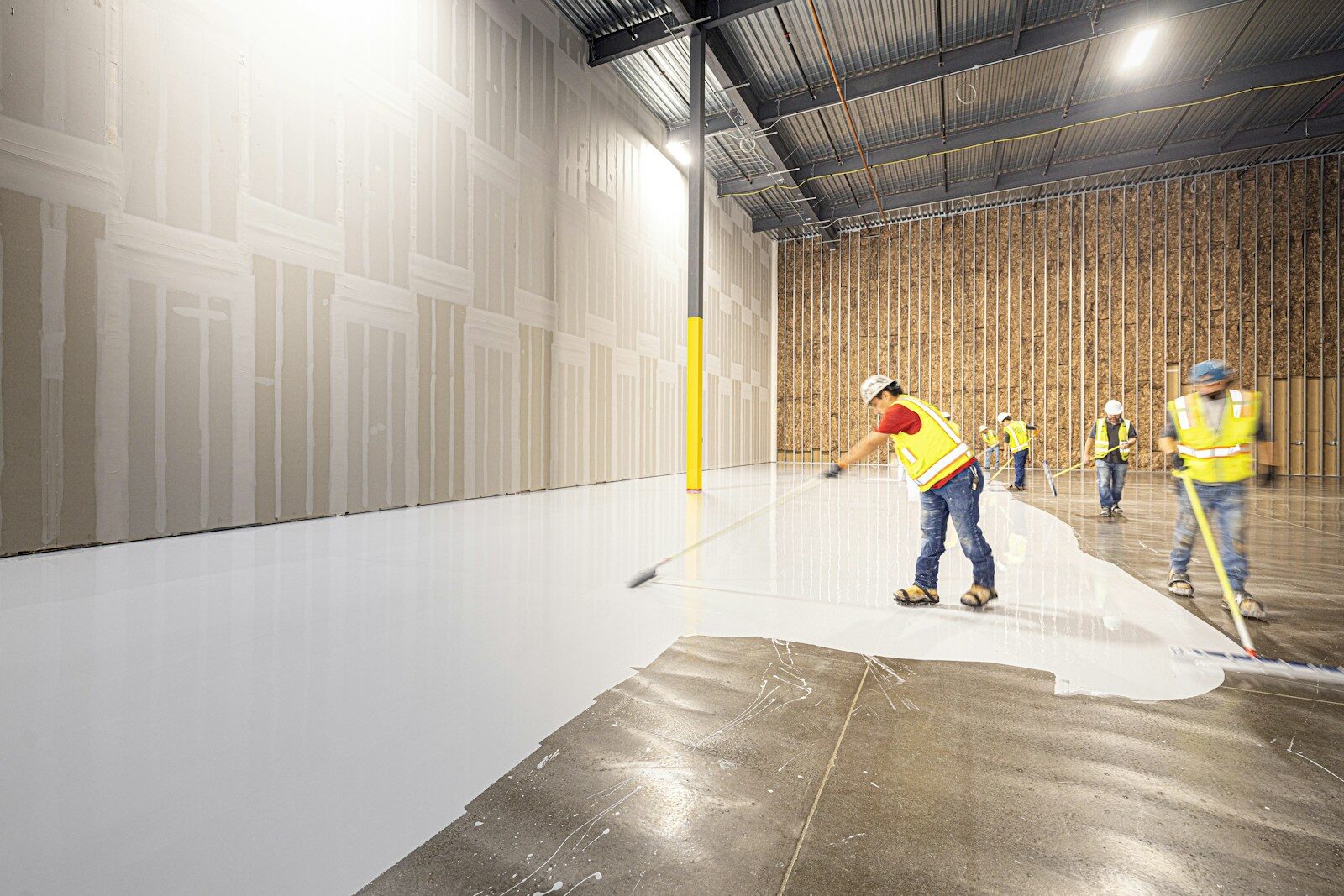
The garage floor is often the most abused surface in a home, enduring the weight of heavy vehicles, chemical spills, and constant foot traffic. While it is easy to overlook minor wear and tear, neglecting the structural health of your concrete can lead to costly foundation issues over time.
Identifying the early warning signs of deterioration allows you to intervene before simple surface problems become major safety hazards. Upgrading to a professional-grade coating not only protects the substrate but also transforms a dingy utility space into a clean, high-value extension of your home.
Deep or Expanding Cracks
While hairline cracks are common as concrete settles, deep fissures that run the length of the garage or show vertical displacement are a major cause for concern. These openings allow moisture to seep into the subgrade, which can lead to soil erosion and further instability in the slab.
- Monitor any cracks that are wider than a quarter of an inch or those that appear to be growing over a period of months.
- Look for “spiderweb” cracking patterns, which often indicate that the concrete was improperly mixed or cured during original construction.
- Check if one side of the crack is higher than the other, as this suggests a significant shifting of the earth beneath your home.
Addressing these structural gaps with a professional repair and coating system prevents water from compromising the integrity of your garage.
Persistent Moisture and Efflorescence
If you notice a white, powdery substance on your garage floor, you are likely dealing with efflorescence, which is caused by mineral deposits left behind by evaporating water. This is a clear sign that moisture is traveling through the porous concrete, which can eventually lead to “spalling” or the flaking away of the surface.
- Conduct a simple “plastic sheet test” by taping a square of plastic to the floor for twenty-four hours to check for condensation.
- Note any damp smells or dark patches on the concrete that persist even during dry weather spells.
- Inspect the perimeter of the garage for signs of water intrusion or poor drainage that could be feeding the moisture problem.
A professional moisture-mitigation coating acts as a permanent barrier, keeping your garage dry and preventing the growth of harmful mold or mildew.
Stubborn Chemical and Oil Stains
Concrete is naturally porous, meaning it acts like a sponge for automotive fluids, road salts, and household chemicals. Once these substances penetrate deep into the pores, they become nearly impossible to remove with standard cleaning and can actually weaken the chemical bonds of the concrete.
- Identify dark, oily spots that refuse to lift even after a high-pressure wash or the application of degreasers.
- Look for “pockmarks” or etching caused by battery acid or harsh fertilizers that have eaten away at the surface cream.
- Check for salt crystallization that occurs after winter, which can lead to internal pressure and “pop-outs” in the concrete.
Upgrading to a non-porous epoxy or polyaspartic finish ensures that future spills remain on the surface for easy, stain-free cleanup.
Surface Peeling and Delamination
If your current DIY floor paint or sealer is flaking off in large chunks, the floor is suffering from delamination. This usually occurs because the original surface was not properly prepared or the coating used was not strong enough to handle the “hot tire pick-up” common in busy garages.
- Scrape at a small area of the failing coating to see if it lifts easily from the bare concrete underneath.
- Look for “blisters” or bubbles where the coating has lost its bond due to trapped air or moisture.
- Note if the peeling is concentrated where your tires rest, as this indicates the material cannot withstand the thermal expansion of rubber.
A professional-grade upgrade involves mechanical diamond grinding to ensure the new coating fuses permanently with the concrete substrate.
Excessive Dusting and Chalking
A garage floor that constantly produces a fine, grey dust regardless of how often you sweep is experiencing a process called “chalking.” This happens when the top layer of the concrete begins to disintegrate into a powder, which then circulates through your home’s HVAC system and settles on your cars.
- Wipe your hand across the floor; if it comes away covered in grey silt, the concrete surface is actively breaking down.
- Check if your stored items or laundry area in the garage are constantly covered in a layer of fine grit.
- Monitor for increased wear in high-traffic areas where the concrete is beginning to look sandy or exposed.
Sealing the floor with a high-performance coating eliminates dust production, creating a cleaner and healthier environment for your entire household.
Securing the Future of Your Garage Investment
Recognizing these warning signs is the first step toward reclaiming a safe and attractive workspace for your family. By choosing to upgrade your flooring today, you are preventing the inevitable decay that comes with an unprotected concrete slab.
A professionally installed floor system provides the ultimate combination of durability, safety, and aesthetic appeal. Investing in your garage’s foundation ensures that your home remains a high-value asset that is ready for whatever tasks you have in store.